Sowing Hardy Annuals in September for Earlier Spring Flowers
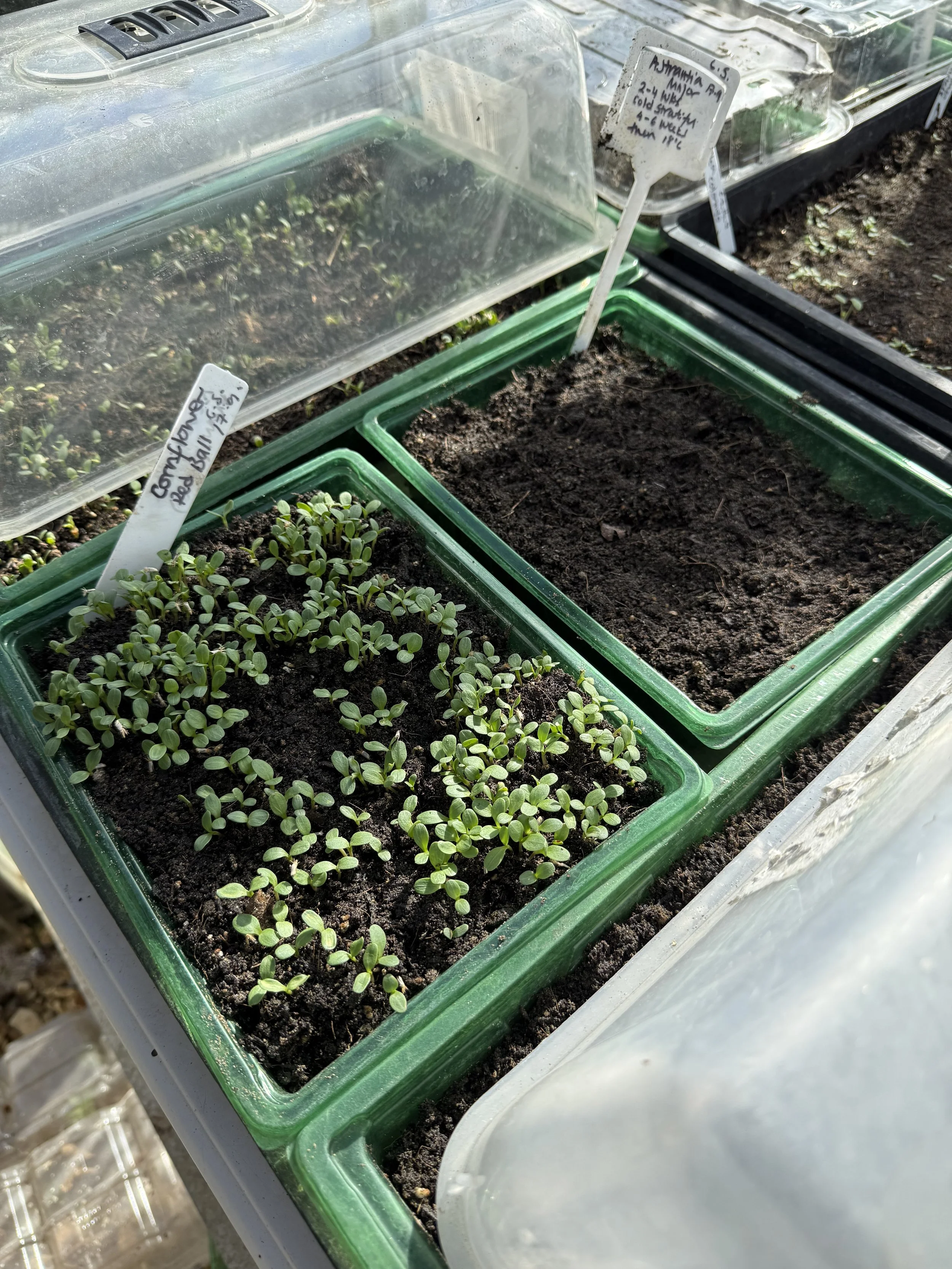
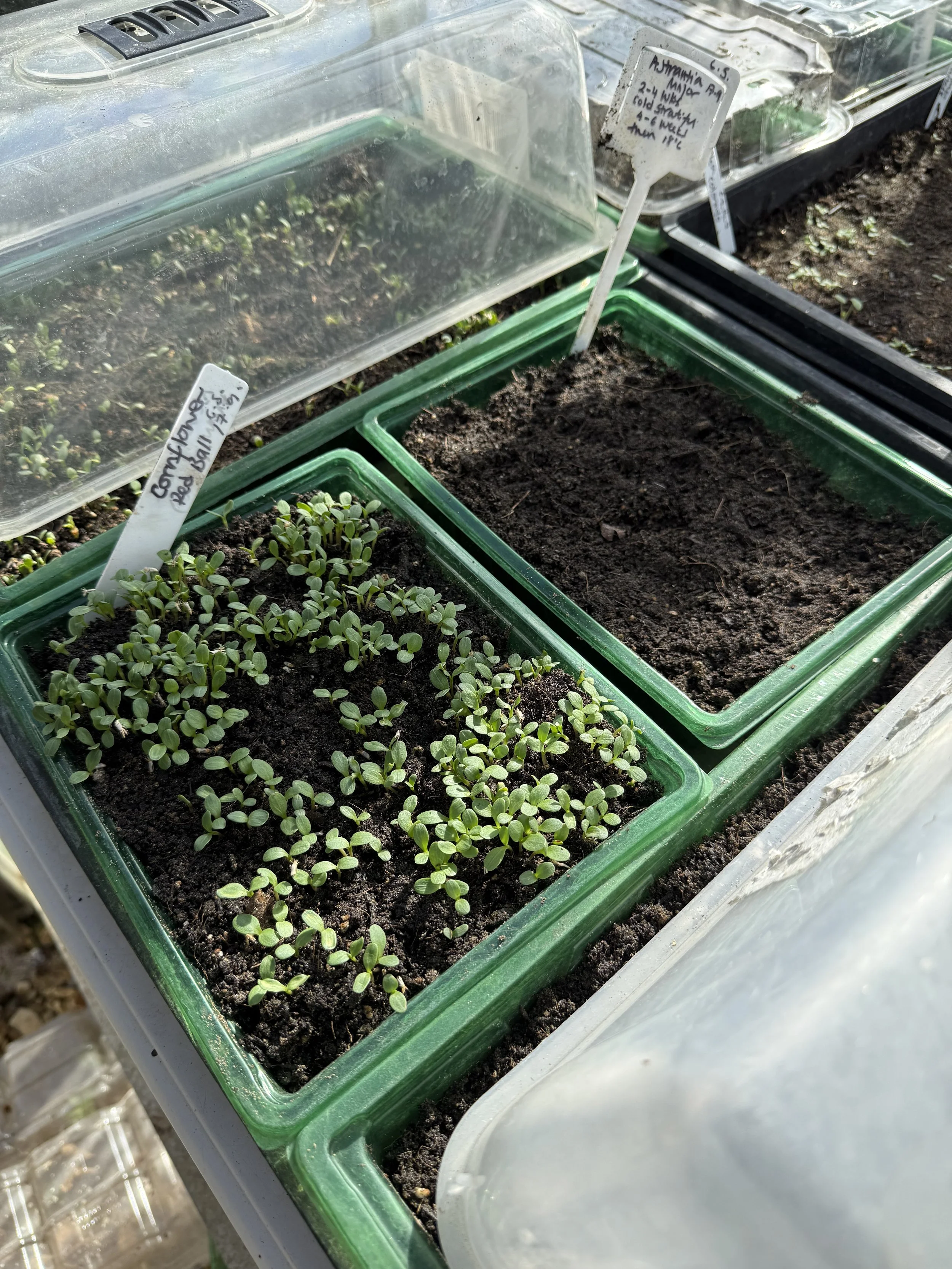
September-sown hardy annuals already sprouting under a clear propagation lid in the greenhouse
A warm September is a real gift. Now is the time to get ahead with sowing seeds for early flowers next Spring.
In short: hardy annuals sown in September put down roots over winter and flower earlier than spring-sown plants. Here's what I'm sowing on the farm this month and exactly how I do it.
What Are Hardy Annuals?
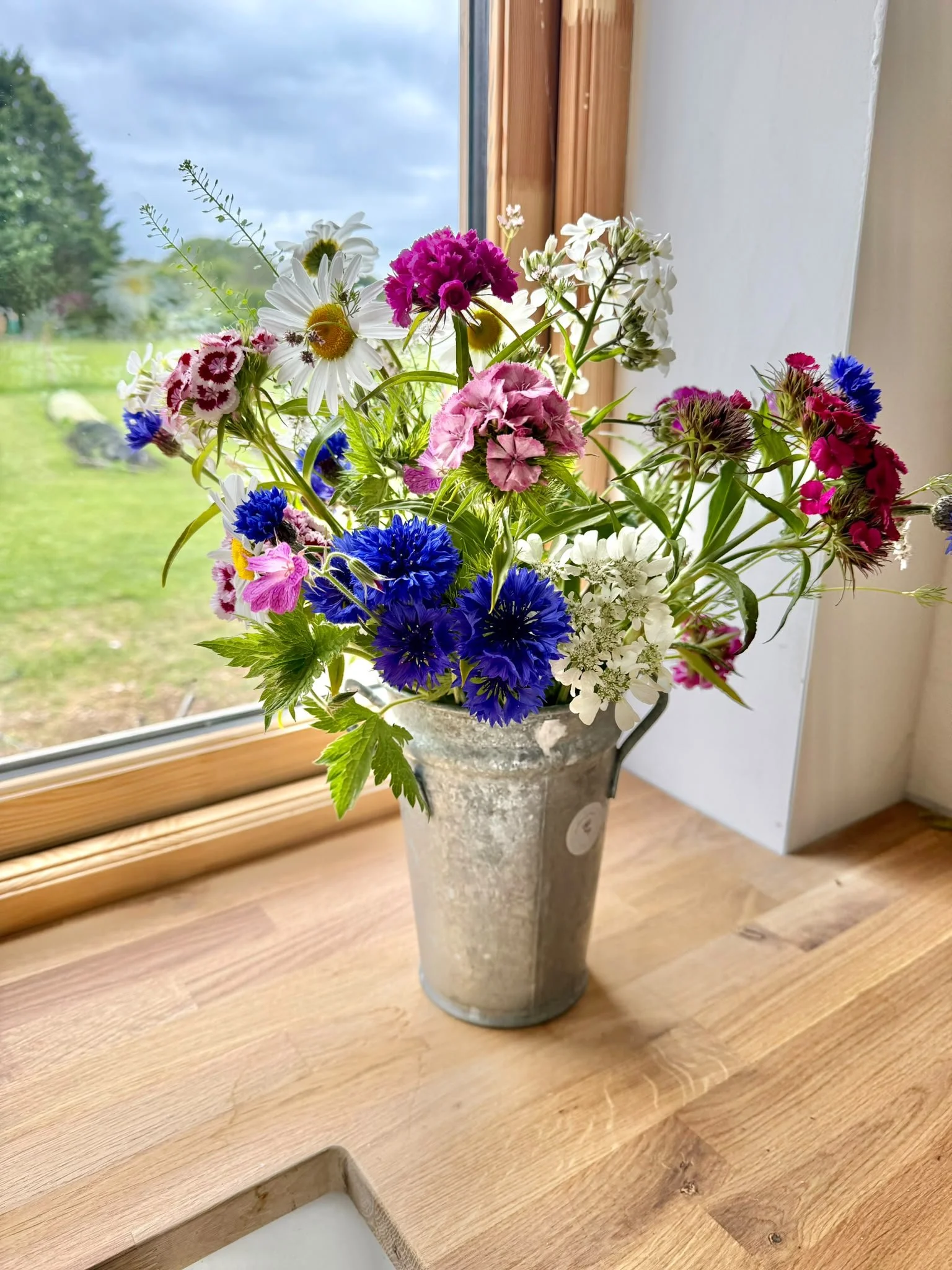
A group of plants called Hardy Annuals are flowers that can be germinated now and will survive the winter (with some protection) ready for a head start as soon as the weather warms up. They get their roots down over the winter and are then ready for strong growth once conditions are right. They will only survive one year (hence they are called Annuals) but many will self seed (see my earlier blog), you can collect your own seed if you already have plants or, if you are like me, those tempting websites and catalogues generally entice me into new varieties.
How I Sow Hardy Annuals in Autumn
Follow the instructions on the seed packets but most seeds are generally best germinated surface sown and I do this in my greenhouse in seed trays with propagation lids but a sunny window sill will suffice.
Direct Sowing Outdoors
Some can be direct sown too. If you are direct sowing I would do this before the end of September as the seeds are more susceptible to variations in temperature, unless they need cold stratification to aid their germination. Read the instructions on the seed packet carefully. Watch out for mice and birds and if I am sowing directly, I add a netted cloche for extra protection. This will be kept on over the winter too to protect the seedlings from the harshest of the weather.
Looking After Seedlings Over Winter
Keep the seedlings in a cool greenhouse or indoors over the winter and pot on or plant straight out once the threat of the last frost has disappeared.
Hardy Annuals I'm Sowing Before the End of September
Some Hardy Annuals that I am sowing before the end of September include:
Achillea (yarrow) - actually a perennial but can be sown now.
Agrostemma (Corn Cockle)
Ammi majus & visnaga
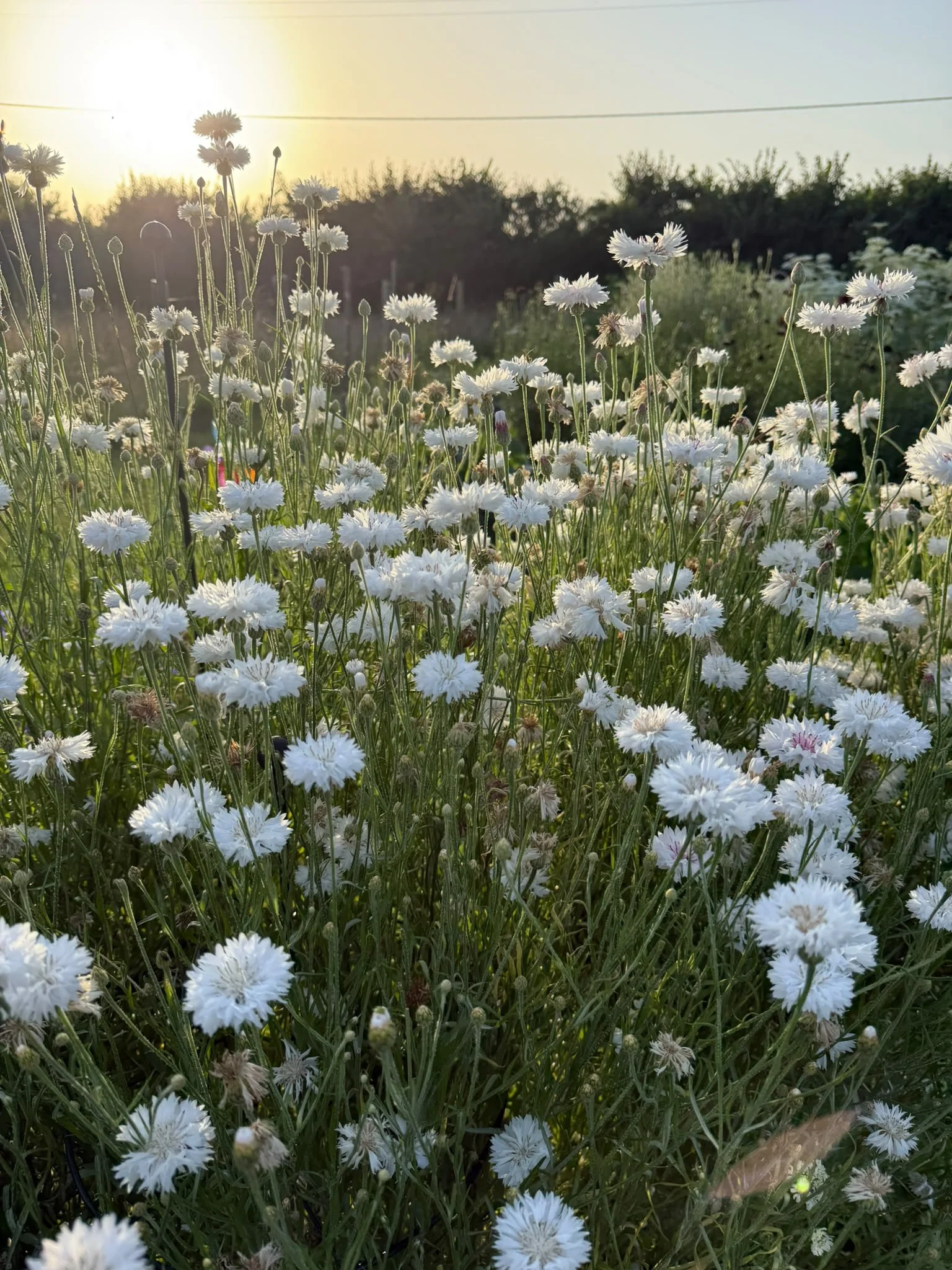
Centaurea cyanus (Cornflower)
Daucus carota (Queen Anne's lace) - this benefits from cold stratification
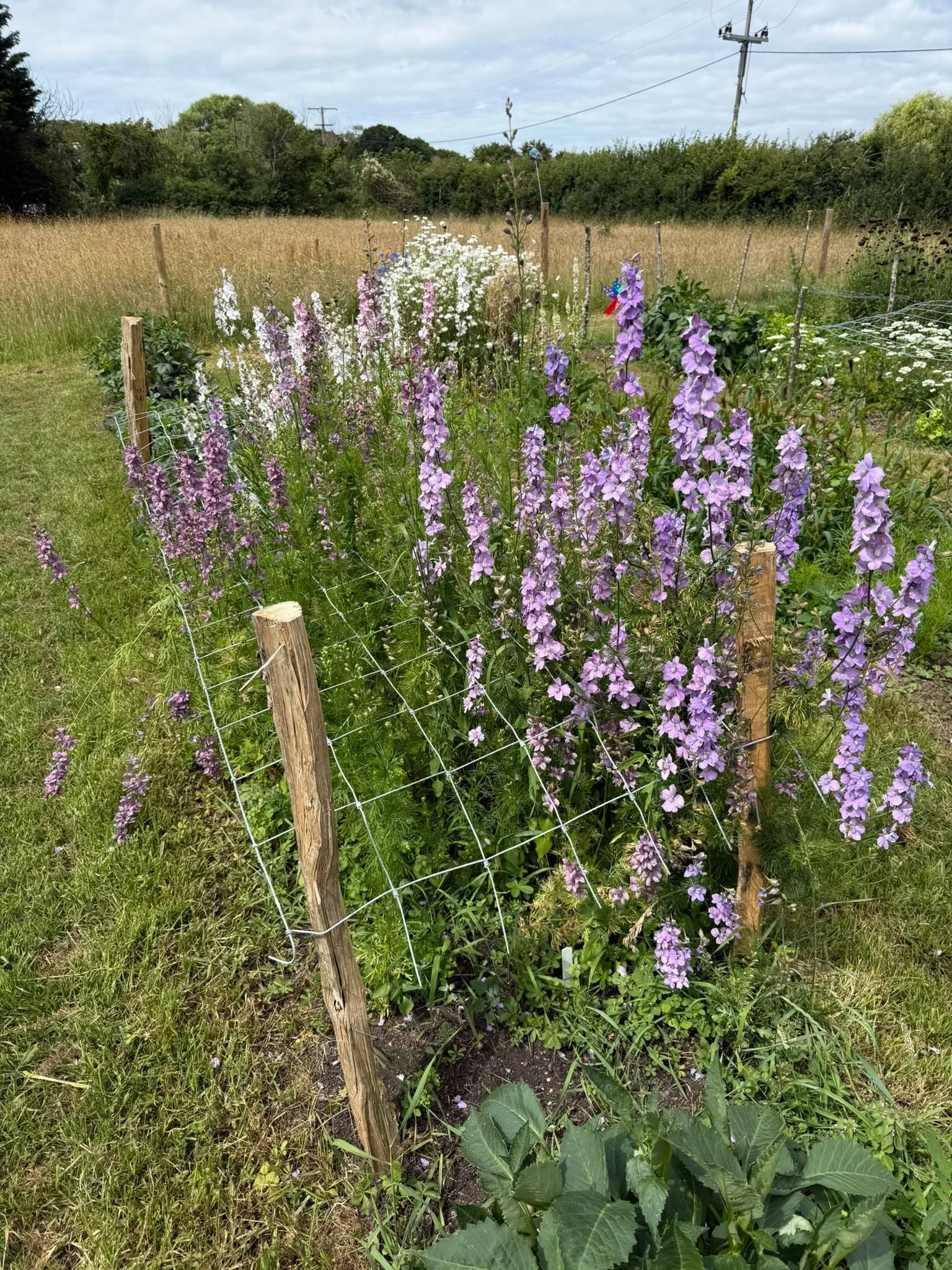
Larkspur (Consolida ajacis) - likes cold stratification so they will need the cold of the winter to germinate.
Lathyrus odoratus (sweet peas) - really worth a mention but I am not actually growing them this year, too high maintenance for me.
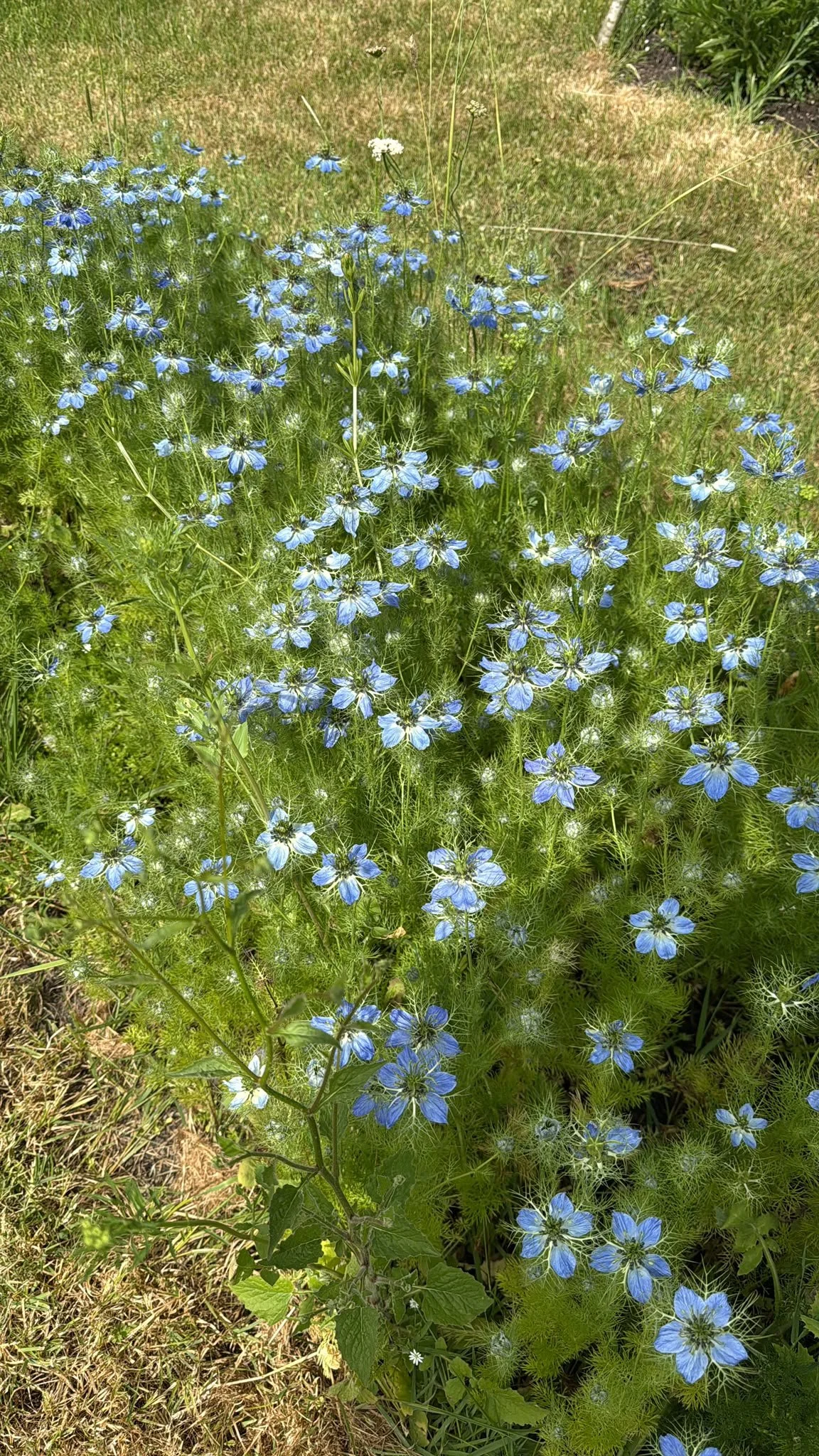
Nigella damascena (Love-in-a-mist)
Orlaya grandiflora (Laceflower) - this benefits from cold stratification
Autumn Sowing: Your Questions Answered
When should I sow hardy annuals in autumn?
I aim to get mine sown in September. If you're sowing straight into the ground, try to do it before the end of the month so the seedlings can establish before the weather turns. Sown under cover in a greenhouse or on a windowsill, you have a little more leeway, but earlier is better.
Why sow in autumn rather than spring?
Autumn-sown plants spend the winter building roots, so they're ready to grow as soon as it warms up and flower earlier than spring-sown ones. I sow some in spring too, so I get a succession of flowers through the season rather than everything at once.
What is cold stratification?
Some seeds, like larkspur, Daucus carota and Orlaya grandiflora, need a spell of cold before they'll germinate. Sowing them in autumn lets the winter do that job for you. If you've collected the seed yourself, you can also help it along in the freezer before sowing.
Do I need a greenhouse to sow hardy annuals?
No. I use my greenhouse with seed trays and propagation lids, but a sunny windowsill works well, and some hardy annuals can be sown directly into the ground.
How do I stop mice and birds eating the seed?
When I sow directly, I cover the area with a netted cloche and leave it on all winter. It keeps the wildlife off and protects the young seedlings from the worst of the weather.
A Head Start for Next Year
Autumn sowing is one of those jobs that takes an afternoon now and pays you back months later. There's something lovely about tucking seed trays away in the greenhouse while the season winds down, knowing they'll be among the first flowers of next year. If you've saved your own seed this summer, this is the perfect way to use it (you'll find how I collect and store mine in my seed-saving post). And if you'd like to see how these seedlings get on over the winter, sign up to my newsletter below.
By Sarah Cox, flower farmer at Clamerkin Wild on the Isle of Wight